
BATTERY ENERGY STORAGE SYSTEMS (BESS)
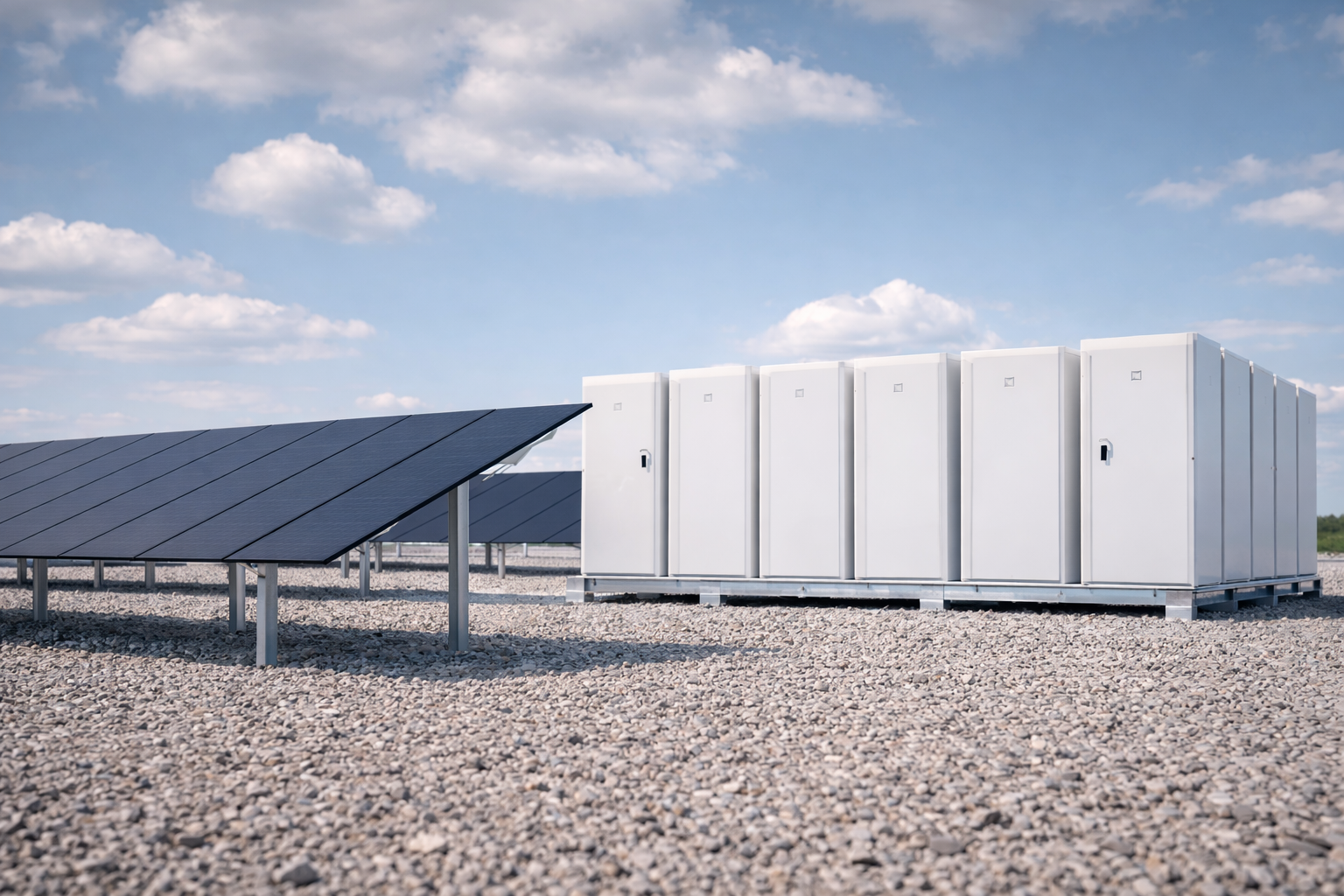
Granite Renewables is a leader in the development and deployment of transmission interconnected energy storage solutions, driving the transition to a cleaner, more resilient, and efficient grid across the United States. We specialize in the development of standalone Battery Energy Storage Systems (BESS) that optimize grid performance by providing capacity, energy, and ancillary services.
From 2022-2024, Granite Renewables originated and developed a portfolio of eight projects in ISO-NE and MISO. The projects totaled ~2.2GW AC of nameplate at sale and ~1.0GW AC are active in interconnection processes and queues. The project portfolio was sold to an insurance-backed developer and independent power producer.
OUR Mission
To accelerate the transition to a smarter, cleaner energy grid by delivering safe, efficient, and community-conscious battery storage solutions.

OUR VALUES
Reliability
We design and deliver energy solutions that keep the lights on—instantly responding to surging demand, unexpected outages, and the evolving needs of the grid.
Environmental Stewardship
Our BESS facilities produce zero air emissions, operate quietly, and are built with strict containment protocols to minimize environmental impact and maximize sustainability.
SAfety First
From advanced fire suppression systems to real-time monitoring and first responder training, safety is integrated into every level of our work.
Innovation with Integrity
We harness cutting-edge technology with a focus on transparency, trust, and responsible deployment—always striving for solutions that serve both people and planet.
Community Partnership
We believe in being good neighbors. That means open communication, thoughtful project siting and design, and long-term engagement with the communities we serve.
FREQUENTLY ASKED QUESTIONS
-
Battery Energy Storage Systems (BESS) are large-scale batteries connected to the electric grid that store energy and release it when demand is highest. By optimizing when energy is delivered, BESS help make the grid more efficient, stable, and reliable. These systems charge when electricity is plentiful or inexpensive and discharge when it's most needed—supporting a cleaner, smarter energy future.
-
Battery Energy Storage Systems (BESS) store energy when demand is low or when excess electricity is being generated—such as during periods of high solar or wind production. When demand spikes or a power plant unexpectedly goes offline, BESS can instantly discharge that stored energy back into the grid. Traditionally, utilities have relied on “peaker” plants—costly, inefficient, fossil-fueled facilities that take time to ramp up to handle these surges.
BESS provide a faster, cleaner, and more cost-effective alternative, helping to stabilize the grid in real time. By responding in seconds rather than minutes or hours, BESS enhance both the reliability and efficiency of our electricity system, while reducing emissions and operational costs.
-
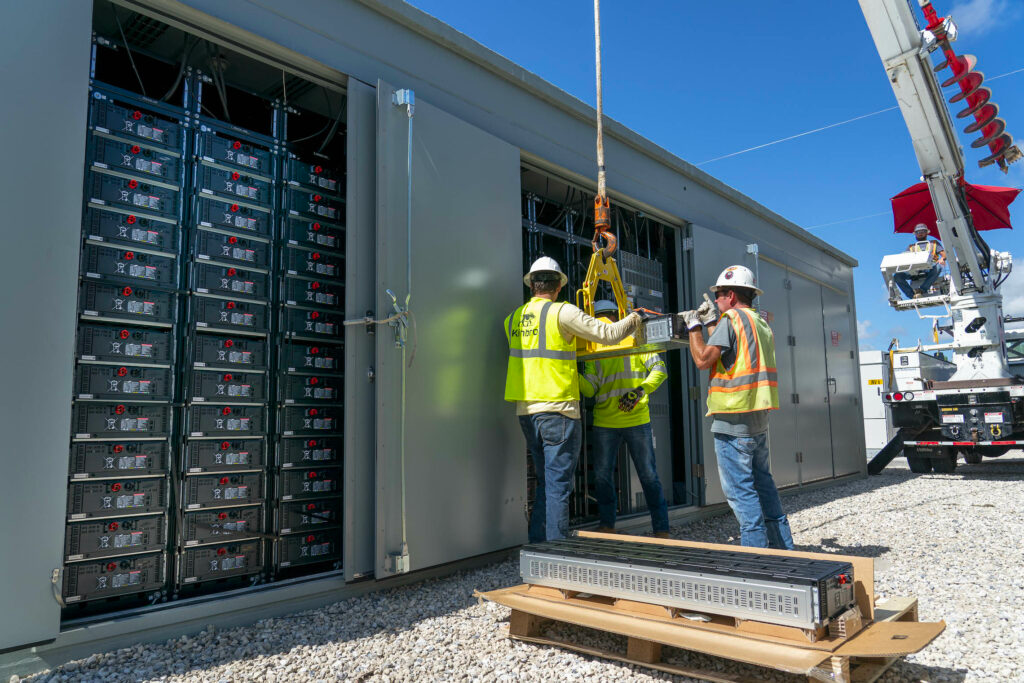
Battery Energy Storage Systems (BESS) pose minimal environmental risk. The batteries are housed in sealed, durable metal enclosures designed to prevent exposure to outside elements and to contain any potential leaks internally.
Additionally, safety protocols—including site design, containment systems, and coordination with regulatory agencies—are built into every stage of a BESS project to ensure environmental protection and public safety.
-
BESS facilities use lithium-ion batteries, which are far less environmentally harmful than older technologies like lead-acid batteries commonly found in vehicles. While small amounts heavy metals are contained in BESS, these are tightly contained and managed with strict handling, transport, and disposal protocols to prevent environmental contamination.
At the end of their life, batteries used in BESS are reused, recycled, or properly disposed of off-site, in full compliance with all environmental regulations. As battery recycling technology continues to improve, more materials are being recovered and reused—further reducing the environmental impact of energy storage.
-
BESS facilities are quiet and community-friendly, generating very little audible noise. The primary sources of sound are the inverters and the HVAC system used to maintain optimal battery temperature, which together produce approximately 40 decibels. With proper siting and design, any noise is typically inaudible beyond background noise at the facility’s property line.
-
The BESS produces no air emissions from the facility during operation. Unlike conventional power plants, they do not burn fuel or release any pollutants into the air. As a result, BESS helps improve local air quality while supporting a cleaner, more efficient energy grid.
-
Safety is a top priority in the design and operation of BESS facilities. These systems are built with multiple layers of fire prevention, detection, and suppression technologies. Inside each facility, automated fire suppression equipment is installed to respond instantly in the unlikely event of a fire. In addition, battery manufacturers integrate advanced safety features—such as thermal monitoring, automatic shutdown protocols, and isolation systems—to prevent overheating or thermal runaway.
We also coordinate closely with local first responders to ensure they are fully trained and equipped to respond to BESS facilities just as they would with any commercial or industrial site. As the industry has matured, stronger standards, improved engineering oversight, and better training have significantly reduced fire risk.
-
We’d love to hear from you. Whether you’re exploring a land lease or sale, Granite Renewables specializes in siting and developing BESS projects tailored to grid needs. Get in touch with us on our contact page, or send us an email at hello@graniterenewables.com